
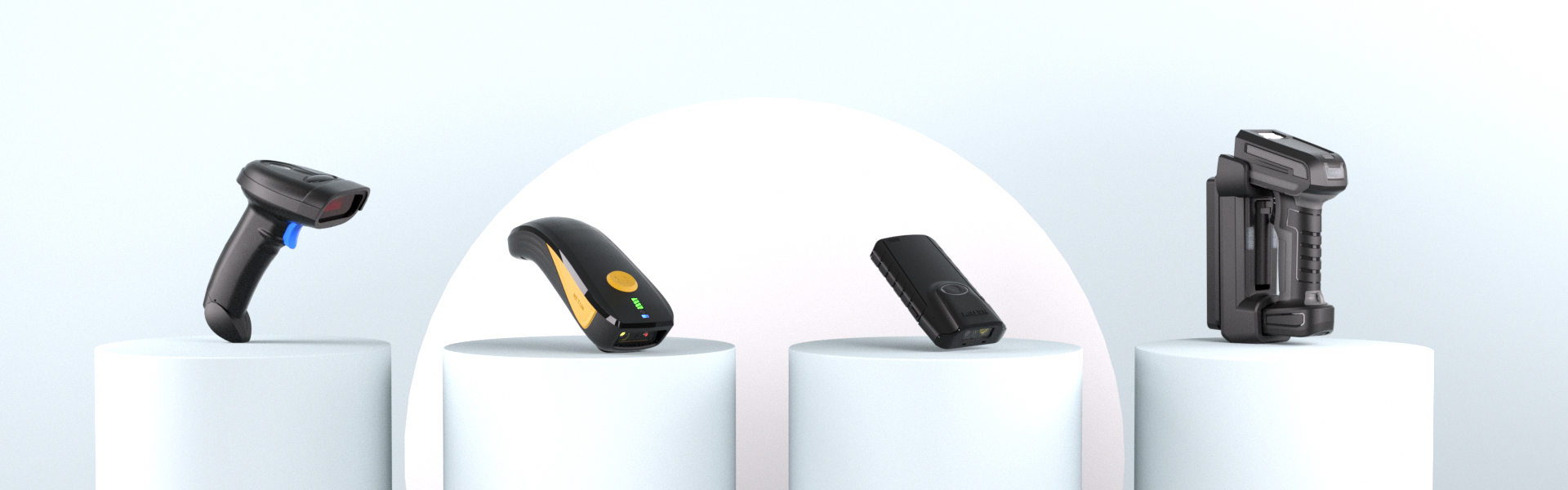
In today’s fast-paced business world, every second counts—especially when it comes to barcode recognition, a cornerstone of inventory management, checkout processes, and supply chain efficiency. Businesses of all sizes are seeking ways to streamline operations, reduce errors, and boost productivity, and the omnidirectional barcode scanner has emerged as the ultimate tool to turn this goal into reality. Unlike traditional scanners that require precise alignment and slow down workflows, this innovative device delivers seamless, high-speed recognition that adapts to your business needs, making it the efficient solution for barcode recognition across industries.
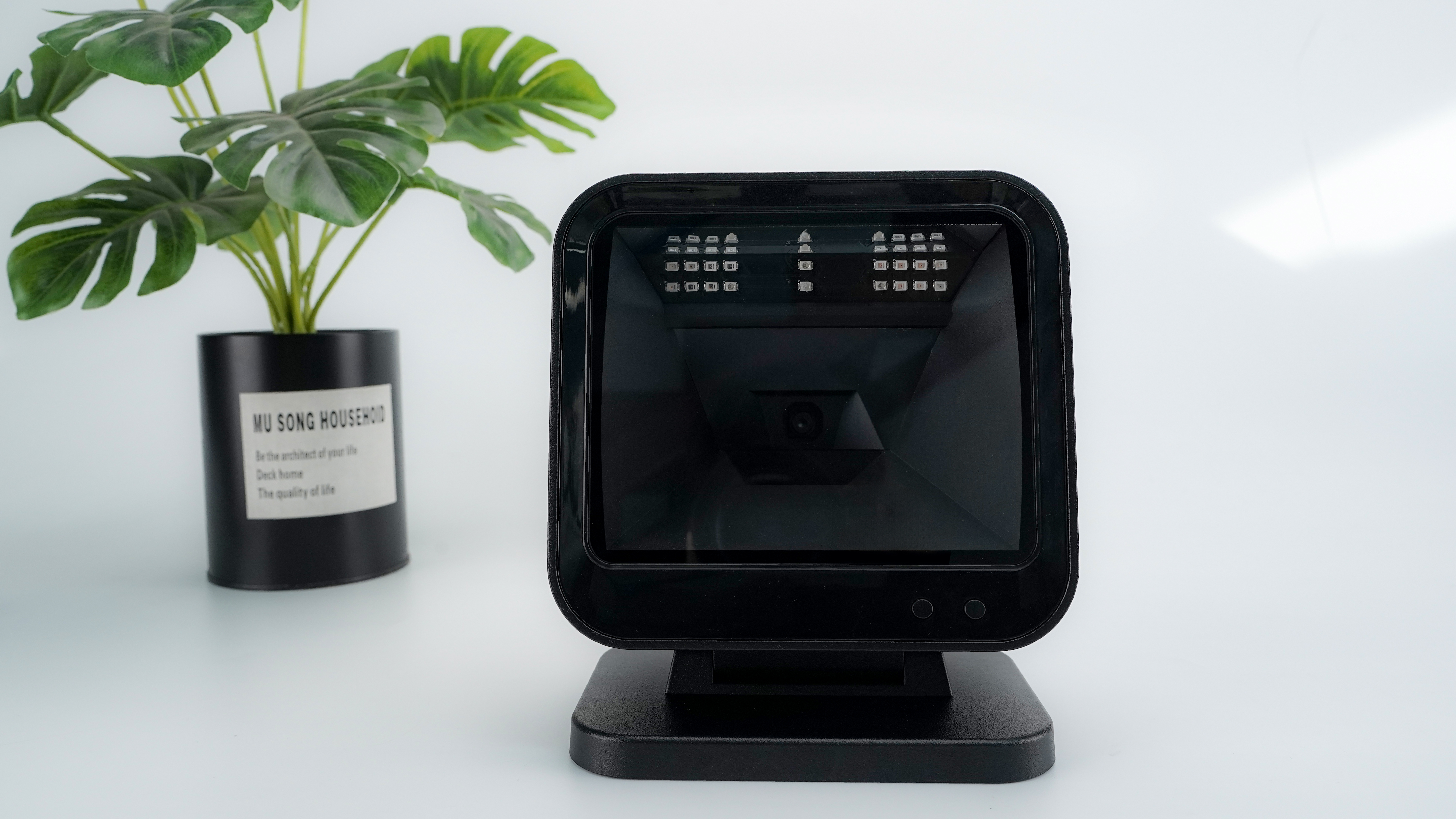
1. What is an Omnidirectional Barcode Scanner?
An omnidirectional barcode scanner is a high-performance automatic identification device designed to read barcodes from any angle, orientation, or position—eliminating the need for manual alignment or adjustments. Unlike single-line or multi-line scanners that require users to carefully position barcodes parallel to a scanning line, omnidirectional scanners project a dense, crisscrossing grid of laser or image-based scanning lines (typically 20–30 lines in multiple directions) to cover the entire barcode area. This means whether a barcode is horizontal, vertical, diagonal, skewed, or even slightly damaged, the scanner captures and decodes it instantly, saving valuable time and reducing user fatigue.
Built for versatility, modern omnidirectional scanners support both 1D barcodes (UPC-A, EAN-13, Code 128) and 2D barcodes (QR codes, Data Matrix, PDF417), with image-based models also capable of reading barcodes displayed on digital screens—such as mobile payment codes or e-tickets. From small retail stores to large warehouses and healthcare facilities, this device is engineered to simplify barcode recognition for every use case.
2. Working Principle of an Omnidirectional Barcode Scanner
Omnidirectional barcode scanners operate using two primary technologies, each designed to deliver fast, accurate recognition while accommodating diverse barcode types and environments:
Laser-Based Technology
Laser-based omnidirectional scanners use a rotating polygon mirror or multiple fixed mirrors to deflect a single laser beam into a 360° fan-shaped or grid-like scanning pattern. When the laser light hits a barcode, the scanner’s sensor captures the reflected light, which is then processed by a built-in decoder to translate the barcode’s black-and-white patterns into usable data. This process takes just milliseconds, enabling scan rates of up to 3,600 scans per second—ideal for high-volume, fast-paced environments like conveyor belt sorting or retail checkout.
Image-Based (CMOS/CCD) Technology
Image-based omnidirectional scanners use a high-speed camera or CMOS/CCD sensor to capture a full image of the barcode area, rather than relying on laser beams. Advanced image processing algorithms—including edge detection and pattern recognition—analyze the image to locate and decode barcodes, even if they are smudged, faded, or partially obscured. This technology is more versatile than laser-based scanning, supporting both 1D and 2D barcodes, as well as screen-based barcodes, and is often preferred for environments where barcode quality varies.
In both cases, the scanner’s internal processor ensures near-instant decoding, with data transmitted to POS systems, WMS (Warehouse Management Systems), or other business software via wired (USB/RS232) or wireless (Bluetooth/Wi-Fi) connectivity.
3. Application Scenarios of Omnidirectional Barcode Scanners
The flexibility and efficiency of omnidirectional barcode scanners make them indispensable across a wide range of industries, addressing unique barcode recognition challenges in each sector:
Retail & Supermarkets
In retail settings, omnidirectional scanners streamline checkout processes by eliminating alignment time, reducing long queues, and improving customer satisfaction. They are ideal for both cashier-operated and self-checkout systems, and can also be used for inventory management—speeding up stock counting and shelf replenishment tasks.
Logistics & Warehousing
For logistics and warehousing, these scanners excel at high-speed barcode recognition on moving conveyor belts (up to 5 m/s) for automated sorting, as well as hands-free scanning during warehouse picking and packing. Wearable or fixed omnidirectional scanners let workers scan items while moving, doubling picking efficiency and reducing errors in inventory tracking.
Healthcare & Pharmaceuticals
In healthcare environments, omnidirectional scanners enhance patient safety by accurately identifying patient wristbands, medication labels, and medical supplies—preventing medication errors and ensuring full traceability of critical items. Their ability to read damaged or small barcodes makes them ideal for use with medical devices and pharmaceutical packaging.
Manufacturing
On manufacturing production lines, these scanners track work-in-progress (WIP) parts, monitor assembly line progress, and ensure product traceability from production to delivery. They can read barcodes on small components or irregularly shaped products without alignment, adapting to the fast-paced demands of manufacturing workflows.
4. Advantages of Omnidirectional Barcode Scanners
Compared to traditional barcode scanners, omnidirectional models offer a range of distinct advantages that directly boost operational efficiency, reduce costs, and improve user experience—making them the preferred choice for businesses looking to optimize barcode recognition:
No Alignment Required, Hands-Free Operation
The biggest advantage is the elimination of manual alignment: users simply pass items in front of the scanner, no matter how the barcode is positioned. This saves time, reduces worker fatigue, and minimizes training requirements—new staff can operate the scanner immediately without learning complex alignment techniques.
Ultra-Fast Scanning Speed
With scan rates ranging from 1,200 to 3,600 scans per second, omnidirectional scanners are far faster than single-line scanners (100–300 scans per second) or manual scanning. This speed ensures high throughput in high-volume environments, reducing bottlenecks in checkout, sorting, and inventory processes.
High Tolerance for Poor-Quality Barcodes
Unlike traditional scanners that fail to read damaged, smudged, faded, or partially obscured barcodes, omnidirectional scanners use a multi-directional scanning grid to ensure at least one line captures a complete barcode segment. This reduces rework, eliminates the need to reprint barcodes, and keeps workflows on track.
Versatile Compatibility
Support for all major 1D and 2D barcode types, plus screen-based barcodes, makes omnidirectional scanners a one-stop solution for diverse business needs. This versatility eliminates the need to invest in multiple scanners for different barcode types, reducing upfront costs.
Reduced Human Error & Lower Costs
By automating barcode recognition and eliminating manual alignment, these scanners reduce misread rates to less than 0.01%, cutting down on inventory discrepancies, checkout errors, and customer complaints. Over time, this translates to lower labor costs, fewer rework expenses, and a higher return on investment (ROI)—even with the initial investment in the device.
Conclusion
In an era where efficiency and accuracy are make-or-break for businesses, the omnidirectional barcode scanner stands out as the efficient solution for barcode recognition. Its ability to read barcodes from any angle, deliver ultra-fast scanning speeds, adapt to diverse environments, and reduce errors makes it an indispensable tool across retail, logistics, healthcare, and manufacturing.
Whether you’re looking to speed up checkout lines, optimize warehouse workflows, enhance patient safety, or streamline production tracking, an omnidirectional barcode scanner is designed to meet your needs—saving time, reducing costs, and empowering your team to focus on what matters most. Upgrade to the efficient solution for barcode recognition today and unlock the full potential of your operations.